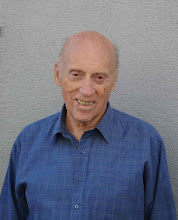
The COST report on smart meters as usual suggested more research is needed to decide effect of smart meters used to tell the electricity or gas company how much of these energy each household uses. Havas Wants more research too But people need to have the knowledge of the dangers already known. People need the right to say `no´ to placing smart meters in their home space, or where they will pollute their home, school, institutional space. This is Professor Magda Havas Comment to the COST Report. Comments and disagreeing statements and comments were denied a place in the report.
EASY READING. If it is too long look at her webpage and find her You Tube presentation
Havas, Oct 12, 2010 Smart Meters CCST 1
Havas Submission to CCST “Report on Smart Meters”.
For those interested, below is my invited submission to CCST as part of a Technical Response
Team.
Date: October 12, 2010
From: Magda Havas, BSc, PhD
To: CCST
Submission on Smart Meters.
Item 1. Whether FCC standards for Smart Meters are sufficiently protective of public health
taking into account current exposure levels to radiofrequency and electromagnetic fields.
In my opinion, the FCC standard for Smart Meters is not sufficient to protect public health. This
is based on the following facts:
1.1 The thermal vs. non-thermal debate is largely a
red herring that has been perpetuated for decades and has influenced the type of
research done in the United States. The FCC standard is based on a thermal effect. It
was originally based on the amount of radiation that would heat an adult male in the
US military exposed to radar. While the heating effect is not disputed, biological
effects, some of which have adverse health consequences, occur well below the
thermal guideline (Inglis 1970). As a consequence various countries in the world are
opting for a “biologically” based guideline rather than a “thermal” guideline, which
takes into account not only adult males in peak physical conditions but children,
pregnant women, the elderly, and those who have developed electrohypersensitivity
(EHS). I will return to the concept of EHS later.
1.2 Guidelines in Russia, Switzerland, Poland, and China are well below the FCC
standard (i.e. 10 vs. 1000 microW/cm2 or 1% of FCC guidelines). Some military and
government insiders tried to get U.S. guidelines reduced decades ago but were not
successful (Pollack and Healer 1967, Dodge 1969). Steneck et al. (1980) provides an
excellent account of how the U.S. standards were established for radio frequency
radiation.
1.3 Our exposure to radio frequency radiation (RFR) is increasing exponentially as
we design more equipment that relies on higher frequencies in the electromagnetic
spectrum. Prior to World War II, this type of radiation was negligible. Today we have
radar (military, marine, aviation, and weather), we have cell phone antennas, radio and
TV broadcast antennas, and a growing number of WiFi hotspots, citywide WiFi and
Wi-Max antennas. Inside buildings we have cordless phones, many of which emit
microwave radiation even when they are not being used; wireless alarm systems;
wireless baby monitors, wireless computers, iPads, and Smart Phones that can connect
to wireless internet or WiFi. More children are playing wireless video games than
ever before and radio frequency identification devices (RFID) are placed into
Havas, Oct 12, 2010 Smart Meters CCST 2
merchandise to provide information to the manufacturer about consumer habits. The
“smart meter” is just another source of exposure that will be placed on every home and
in every apartment. Smart meters are being used to monitor use of electricity, gas and
water. As part of this system, appliances are being designed to communicate directly
with smart meters, all in a wireless mode, which will ultimately increase levels of
radiation in the home.
1.4 I work with people who have become electrically hypersensitive (EHS) and I have
received emails and phone calls from those who have had smart meters placed on their
homes. They complain of ill health and many are unable to use the room closest to the
smart meter. These individuals have no place to “hide” from the growing levels of
electrosmog especially in densely populated urban centers. Sickness contributes to
time off work and away from school, growing medical costs and a general poorer
quality of life. Children are particularly vulnerable as are pregnant women and those
with compromised immune systems. The presence of metal implants in the body
(such as metal pins in bones) may concentrate the absorption of radiation at the
location of implantation, inducing thermal effects from lower power densities than
would ordinarily cause such harm (Massey 1979). Some implants, such as pace
makers and deep brain stimulators for Parkinson’s disease, may malfunction and this
can be fatal. In Switzerland about 5% of the population has EHS. If the same fraction
of the population has EHS in the US that would come to a staggering 15 million
people!
The symptoms following exposure to radio frequency radiation were labeled
radiowave sickness and were first reported for those occupationally exposed in the
former Soviet Union. These same symptoms are now referred to as
electrohypersensitivity (EHS) and are experienced by a growing fraction of the
population. They include . . .
“. . . headache, eyestrain and tearing, fatigue and weakness, vertigo, sleeplessness at
night and drowsiness during the day, moodiness, irritability, hypochondria, paranoia,
either nervous tension or mental depression and memory impairment. After longer
periods of exposure, additional complaints may include sluggishness, inability to make
decisions, loss of hair, pain in muscles and in the heart region, breathlessness, sexual
problems and even a decrease in lactation in nursing mothers. Clinically observed effects
in persons voicing these complaints include trembling of the eyelids, fingers and tongue,
increased perspiration of the extremities, [and] rashes . . .” (Massey, 1979).
1.5 In addition to sensitive people, Switzerland also identifies Places of Sensitive Use
(German acronym is OMEN). These places include: living rooms; classrooms and
kindergartens; hospitals and nursing homes; permanent jobs (where people spend
more than 2.5 days per week); and playgrounds. For these OMEN sites, the Swiss
government recommends that greater precaution be taken for long-term exposure to
weak radiation. In these places, radiation from wireless microwave base stations (such
as cordless phones or WLAN/WiFi) may exceed radiation from nearby cell phone
base stations and hence these devices must generate emissions as low as possible. For
more information visit http://www.bag.admin.ch/themen/strahlung/00053/index.html?lang=en
Havas, Oct 12, 2010 Smart Meters CCST 3
Item 2. Whether additional technology specific standards are needed for Smart Meters and other
devices that are commonly found in and around homes, to ensure adequate protection from
adverse health effects.
2.1 Technology specific standards are definitely needed for Smart meters as well as
cordless phones, DECT baby monitors, wireless routers, and all of the other devices that
emit radio frequency radiation.
Massey, in a report published by Duke Law Journal in 1979, identifies nine variables
that need to be considered when determining the impact of microwave radiation. These
are “power density, intensity and relative phase of all field components, specific
frequency ranges, waveform characteristics, exposure regimes, specific occupations,
level of control over exposed populations, individual differences (age, sex, health,
specific predisposing factors) and presence of other environmental stressors.” The
current FCC guidelines do NOT take these into consideration.
2.2 We have evidence that pulsed microwave frequencies, that are generated by WiFi and
cordless phones are more harmful than continuous wave and yet this is not considered in
the FCC guidelines (Reno 1975).
The key microwave emitting devices in the home/office/school environment are:
Cordless phones (some are labeled DECT and others pulsed digital 2.4 GHz). These
radiate all the time even when no one is using them. They should be replaced by wired
phones or cordless phones currently available in Europe, which are “on-demand” phones
that radiate only when the handset is not in the cradle of the base station. These phones
are so dangerous that I recently submitted a Petition to the Auditor General of Canada to
have DECT phones banned (Havas 2008).
The DECT baby monitor also radiates all the time, as does the receiver that is often
carried on the Mother’s waist. Here we need a voice-activated baby monitor that is used
in Europe.
Wireless Internet (WiFi or WLan) is not as common in Europe as they are in North
America. There they prefer using wired service in the form of fiber optic and Ethernet
connections. Germany hotels ask that you bring an Ethernet cables with you, as they
don’t provide WiFi. The Swiss government is providing free fiber optics to schools
provided they don’t install wireless routers.
2.3 An additional point I would like to make relates to dirty electricity.
Wires can act like antennas and the radiation produced by radio frequency generating
devices can flow along and reradiate from wires both inside and outside the home. This
contributes to dirty electricity and localized radiation exposure. Dirty electricity has been
associated with cancers (Milham and Morgan 2008); health and behavior problems in
schools (Havas and Olstad 2008); and both diabetes and multiple sclerosis (Havas 2006).
From a human health perspective and to protect sensitive electronic equipment it is
Havas, Oct 12, 2010 Smart Meters CCST 4
important to maintain good power quality and to prevent radiation from smart meters
flowing along wires.
In conclusion, I have great concern regarding the current levels of microwave radiation in
North America. Instead of promoting wireless technology, we should be promoting wired
technology and reserving wireless for situations where wired in not possible (while one is
traveling for example). Shortly after X-rays were discovered, they were used in shoe stores to
determine shoe-size for young children. Fortunately, we recognized that X-rays were harmful
and we restricted their use to essential medical diagnoses. We need to recognize that microwaves
are also harmful and we cannot use this technology in a frivolous manner. With more frequencies
being used, with the levels of radiation increasing, and with so little research on the long-term,
low-level effects of this technology we are creating a potential time bomb. If smart meters are
placed on every home, they will contribute significantly to our exposure and this is both unwise
and unsafe.
References
Dodge, CH. 1969. Clinical and Hygienic Aspects of Exposure to Electromagnetic Fields: A
Review of the Soviet and Eastern European Literature. Biological Effects and Health
Implications of Microwave Radiation, Symposium Proceedings, Richmond, Virginia, September
17-19, 1969 (BRH/DBE 70-2) (PB 193 898). http://www.magdahavas.com/wordpress/wpcontent/
uploads/2010/08/Dodge_1969.pdf
Havas, M 2006. Electromagnetic Hypersensitivity: Biological effects of dirty electricity with
emphasis on diabetes and multiple sclerosis. Electromagnetic Biology and Medicine, 25: 259-
268. http://www.electricalpollution.com/documents/Havas2006.pdf
Havas, M 2008. Request that first generation DECT Phones be Banned in Canada, Environment
Petition, Auditor General of Canada, 15 pp. http://www.oagbvg.
gc.ca/internet/English/pet_253_e_31629.html
Havas, M and A Olstad. 2008. Power quality affects teacher wellbeing and student behavior in
three Minnesota Schools. Science of the Total Environment, Volume 402, Issues 2-3, 1
September 2008, pp. 157-162.
http://www.electricalpollution.com/documents/08_Havas&Olstad_schools-1.pdf
Inglis, L.P. 1970. Why the double standard? – A critical review of Russian work on hazards of
microwave radiation. IEEE International Symposium on Electromagnetic Compatibility, July 14-
16. 1970. http://www.magdahavas.com/wordpress/wpcontent/uploads/2010/08/Inglis.pdf
Massey, KA. 1979. The Challenge of Nonionizing Radiation: A Proposal for Legislation. Duke
Law Journal, Volume 1979, No. 1. 86 pp. http://www.magdahavas.com/wordpress/wpcontent/
uploads/2010/10/Massey-1979.pdf
Milham, S and LL Morgan. 2008. A New Electromagnetic Exposure Metric: High Frequency
Voltage Transients Associated With Increased Cancer Incidence in Teachers in a California
School. Amer. J. Ind. Med. 8 pp. http://onlinelibrary.wiley.com/doi/10.1002/ajim.20598/abstract
Havas, Oct 12, 2010 Smart Meters CCST 5
Pollack, H. and J. Healer. 1967. Review of the Information on Hazards to Personnel from High-
Frequency Electromagnetic Radiation. Institute for Defense Analyses, Research and Engineering
Support Division. Internal Note N-451, IDA/HQ 67-6211, Series B, copy 5 of 15, 15
pages.http://www.magdahavas.com/wordpress/wpcontent/uploads/2010/07/Pollack_19671.pdf
Reno, VR. 1975. Some considerations concerning the use of magnetron generators in microwave
biological research. Naval Aerospace Medical Research Laboratory, Pensacola, Florida.
Approved for Public release. Distribution unlimited. 11 pp.
http://www.magdahavas.com/wordpress/wpcontent/uploads/2010/09/Reno_Pulsed_Waves.pdf
Steneck, NH, HJ Cook, AJ Vander and GL Kane. 1980. The Origins of U.S. Safety Standards for
Microwave Radiation. Science, Vol. 208, 13 June 1980.
http://www.magdahavas.com/wordpress/wpcontent/uploads/2010/06/steneck_science_1980.pdf
Chronology:
On July 30, 2010, California State Assembly Member Jared Huffman (San Rafael) asked the
California Council on Science and Technology (CCST) to provide an assessment of the safety of
Smart Meters.
On August 16, 2010, CCST agreed to compile and assess the evidence available to address the
following two issues:
1. Whether FCC standards for Smart Meters are sufficiently protective of public health taking
into account current exposure levels to radiofrequency and electromagnetic fields.
2. Whether additional technology specific standards are needed for Smart Meters and other
devices that are commonly found in and around homes, to ensure adequate protection from
adverse health effects.
On October 4, 2010, I was invited to be part of a Technical Response Team and, as part of that
team, I was asked to provide a written response to two key concerns mentioned above.
On October 12, 2010, I submitted my report to CCST.
On December 13, 2010, I was informed that CCST was not appending any documents to their
report, nor were they making these documents available to others, but they were recognizing
those who contributed.
On January 11, 2011, CCST released their report “Health Impacts of Radio Frequency from
Smart Meters” on their website: http://www.ccst.us/news/2011/20110111smart.php. CCST is
receiving public comments until January 31, 2011.
Showing posts with label electro smog. Show all posts
Showing posts with label electro smog. Show all posts
Tuesday, January 18, 2011


Friday, December 5, 2008
EMF and children...Scientists say take precautions
I publish the following in full not only for what it says that is new, but also to help the reader to withstand the pressure from the Telecommunication companies. Pressure for example that has resulted in a large percentage of children having mobiles.
Beware if you are pregnant your child may be damaged.
Men, if you wish one day to have a child, note that sperm count is reduced when you are working in a high e smog office.
Teenagers have their own kind of "offices" Instruct your teen agers not to put their lap tops on their laps. Is your teenager (or smaller child) sitting with the lap top on his lap, holding a mobile in his hand connected to a friend who has joined the game being played, while the apartment is invaded by ones own and neighbors wifi and dect phones nearby etc and maybe a mobile sender/receiver mobile mounted inconspicuously on a nearby apartment house, store school or church. (You won't see the disc til you look.)
Remember too, time spent by children in wifi schools, near towers, on street cars and trams and trains with high radiation levels from many people using mobiles at once.
In the north radiation from walking on warming cables (to melt snow in commercial areas)influences your body. It is not easy to notice unless you are aware. This cable radiation can be detected up to the 3rd floor of buildings adjacent to the warming cables.
Add to this or multiply it with the dirty electricity in most home (dirty because the original smooth 50 or 60 cycles have been broken down. Multiple specialized electronic uses have broken down the smooth cycles adding harmonics in the bioactive frequency range). Dirty electricity produces extreme low frequencies that effect all living creature also children.
This exposure can produce serious disease over a period of ten years exposure.. Studies of ten year exposure samples, though the number of people who have lived in e smog intense environments is small show cause for concern about epidemics that can come when many people live in high levels of electromagnetic e smog pollution.
Whatever you can do to reduce the sources of radiation is of value. It is surprising that the multiplying effect of all these sources of pollution receive no attention in the literature and disinformation put out by the power and telecommunication industry and their lobbies. And in fact even tose scientists who study effect tend to examine one effect at a time in order to preserve the orderliness of their data.
I say multiplying effect because in biological systems, as you know from experience, two sicknesses have a multiplying effect. Loss of one leg and then the second is not simply a double effect.
Please do not be discouraged by this note but take the problem seriously and reduce exposure in every way you can. Do not allow your child to have a mobile in spite of his demand ... everyone else has one! Become informed! Take part in Public action. Take courage from what has happened that has reduced smoking in spite of tobacco industry and lobby pressure.
Now take look below...scan it and notice the scientists who take the problem very seriously. They are not in the employ of the industry
Homepage > Resolutions > Benevento Resolution
Benevento Resolution
The International Commission for Electromagnetic Safety (ICEMS) held an international conference entitled “The Precautionary EMF Approach: Rationale, Legislation and Implementation”, hosted by the City of Benevento, Italy, on February 22, 23 & 24, 2006. The meeting was dedicated to W. Ross Adey, M.D. (1922-2004). The scientists at the conference endorsed and extended the 2002 Catania Resolution and resolved that:
1. More evidence has accumulated suggesting that there are adverse health effects from occupational and public exposures to electric, magnetic and electromagnetic fields, or EMF1, at current exposure levels. What is needed, but not yet realized, is a comprehensive, independent and transparent examination of the evidence pointing to this emerging, potential public health issue.
2. Resources for such an assessment are grossly inadequate despite the explosive growth of technologies for wireless communications as well as the huge ongoing investment in power transmission.
3. There is evidence that present sources of funding bias the analysis and interpretation of research findings towards rejection of evidence of possible public health risks.
4. Arguments that weak (low intensity) EMF cannot affect biological systems do not represent the current spectrum of scientific opinion.
5. Based on our review of the science, biological effects can occur from exposures to both extremely low frequency fields (ELF EMF) and radiation frequency fields (RF EMF). Epidemiological and in vivo as well as in vitro experimental evidence demonstrates that exposure to some ELF EMF can increase cancer risk in children and induce other health problems in both children and adults. Further, there is accumulating epidemiological evidence indicating an increased brain tumor risk from long term use of mobile phones, the first RF EMF that has started to be comprehensively studied. Epidemiological and laboratory studies that show increased risks for cancers and other diseases from occupational exposures to EMF cannot be ignored. Laboratory studies on cancers and other diseases have reported that hypersensitivity to EMF may be due in part to a genetic predisposition.
6. We encourage governments to adopt a framework of guidelines for public and occupational EMF exposure that reflect the Precautionary Principle2 -- as some nations have already done. Precautionary strategies should be based on design and performance standards and may not necessarily define numerical thresholds because such thresholds may erroneously be interpreted as levels below which no adverse effect can occur. These strategies should include:
6.1 Promote alternatives to wireless communication systems, e.g., use of fiber optics and coaxial cables; design cellular phones that meet safer performance specifications, including radiating away from the head; preserve existing land line phone networks; place power lines underground in the vicinity of populated areas, only siting them in residential neighborhoods as a last resort;
6.2 Inform the population of the potential risks of cell phone and cordless phone use. Advise consumers to limit wireless calls and use a land line for long conversations.
6.3 Limit cell phone and cordless phone use by young children and teenagers to the lowest possible level and urgently ban telecom companies from marketing to them.
6.4 Require manufacturers to supply hands-free kits (via speaker phones or ear phones), with each cell phone and cordless phone.
6.5 Protect workers from EMF generating equipment, through access restrictions and EMF shielding of both individuals and physical structures.
6.6 Plan communications antenna and tower locations to minimize human exposure. Register mobile phone base stations with local planning agencies and use computer mapping technology to inform the public on possible exposures. Proposals for city-wide wireless access systems (e.g. Wi-Fi, WIMAX, broadband over cable or power-line or equivalent technologies) should require public review of potential EMF exposure and, if installed, municipalities should ensure this information is available to all and updated on a timely basis.
6.7 Designate wireless-free zones in cities, in public buildings (schools, hospitals, residential areas) and, on public transit, to permit access by persons who are hypersensitive to EMF.
7. ICEMS3 is willing to assist authorities in the development of an EMF research agenda. ICEMS encourages the development of clinical and epidemiological protocols for investigations of geographical clusters of persons with reported allergic reactions and other diseases or sensitivities to EMF, and document the effectiveness of preventive interventions. ICEMS encourages scientific collaboration and reviews of research findings.
1 EMF, in this resolution, refers to zero to 300 GHz.
2 The Precautionary Principle states when there are indications of possible adverse effects, though they remain uncertain, the risks from doing nothing may be far greater than the risks of taking action to control these exposures. The Precautionary Principle shifts the burden of proof from those suspecting a risk to those who discount it.
3 International Commission For Electromagnetic Safety.
We, the undersigned scientists, agree to assist in the promotion of EMF research and the development of strategies to protect public health through the wise application of the precautionary principle.
Signed:
Fiorella Belpoggi, European Foundation for Oncology & Environmental Sciences, B.Ramazzini, Bologna, Italy
Carl F. Blackman, President, Bioelectromagnetics Society (1990-91), Raleigh, NC, USA
Martin Blank, Department of Physiology, Columbia University, New York, USA
Natalia Bobkova, Institute of Cell Biophysics, Pushchino, Moscow Region
Francesco Boella, National Inst. Prevention & Worker Safety, Venice, Italy
Zhaojin Cao, National Institute Environmental Health, Chinese Center for Disease Control, China
Sandro D’Allessandro, Physician, Mayor of Benevento, Italy, (2001-2006)
Enrico D’Emilia, National Institute for Prevention and Worker Safety, Monteporzio, Italy
Emilio Del Giuduice, National Institute for Nuclear Physics, Milan, Italy
Antonella De Ninno,Italian National Agency For Energy, Environment & Technology, Frascati, Italy
Alvaro A. De Salles, Universidade Federal do Rio Grande do Sul, Porto Alegre, Brazil
Livio Giuliani,East Veneto&South Triol, National Inst. Prevention & Worker Safety, Camerino University
Yury Grigoryev, Institute of Biophysics; Chairman, Russian National Committee NIERP
Settimo Grimaldi, Inst. Neurobiology & Molecular Medicine, National Research, Rome, Italy
Lennart Hardell, Department of Oncology, University Hospital, Orebro, Sweden
Magda Havas, Environmental & Resource Studies, Trent University, Ontario, Canada
Gerard Hyland, Warwick University, UK; International Inst. Biophysics, Germany; EM Radiation Trust, UK
Olle Johansson,Experimental Dermatology Unit, Neuroscience Department, Karolinska Institute, Sweden
Henry C. Lai, Department of Bioengineering, University of Washington, Seattle, USA
Mario Ledda, Inst. Neurobiology & Molecular Medicine, National Council for Research, Rome, Italy
Yi-Ping Lin, Center of Health Risk Assessment & Policy, National Taiwan University, Taiwan
Antonella Lisi, Inst. Neurobiology & Molecular Medicine, National Research Council, Rome, Italy
Fiorenzo Marinelli, Institute of Immunocytology, National Research Council, Bologna, Italy
Elihu Richter, Head, Occupational & Environmental Medicine, Hebrew University-Hadassah, Israel
Emanuela Rosola, Inst. Neurobiology & Molecular Medicine, National ResearchCouncil, Rome, Italy
Leif Salford, Chairman, Department of Neurosurgery, Lund University, Sweden
Nesrin Seyhan, Head, Department of Biophysics; Director, Gazi NIRP Center, Ankara, Turkey
Morando Soffritti, Scientific Director, European Foundation for Oncology & Environmental Sciences, B. Ramazzini, Bologna, Italy
Stanislaw Szmigielski, Military Institute of Hygiene and Epidemiology, Warsaw, Poland
Mikhail Zhadin, Institute of Cell Biophysics, Pushchino, Moscow Region.
Date of Release: September 19, 2006. For more information, contact Elizabeth Kelley, Managing Secretariat, International Commission For Electromagnetic Safety (ICEMS), Montepulciano, Italy. Email: info@icems.eu.
Additional signers to the Benevento Resolution:
Igor Y. Belyaev, Dept. Genetics, Microbiology and Toxicology, Arrhenius Laboratories for Natural Sciences, Stockholm University, Stockholm, Sweden
William J. Bruno, Ph.D., Theoretical Biophysics, awarded by Department of Physics, University of California at Berkeley, USA
Mauro Cristaldi, Dip, B.A.U. Universita degli Studi "La Sapienza", Roma, Italia
Suleyman Dasdag, Biophysics Department of Medical School, Dicle University, Diyarbakir,Turkey
Sandy Doull, Consultant, Noel Arnold & Associates, Box Hill VIC, Australia
Christos D. Georgiou, Assoc. Professor of Biochemistry, Department of Biology, University of Patras, Greece
Reba Goodman, Prof. Emeritus, Clinical Pathology, Columbia University, New York, New York USA
Luisa Anna Ieradi, Istituto per lo Studio degli Ecosistemi C.N.R., Roma, Italia
Michael Kundi, Head,Institute Environmental Health, Medical University of Vienna, Austria
Angelo Gino Levis, Professor Emeritus, Environmental Oncology, Padua University, Italy
Lukas H. Margaritis, Professor of Cell Biology and Radiobiology, Athens University, Athens, Greece
Vera Markovic, Faculty of Electrical Engineering, University of Nis, Serbia
Gerd Oberfeld, Federal Salzburg Government. National Medical Management, Public Health Hygiene and Environmental Health, Salzburg, Austria
Jerry L. Phillips, Professor, University of Colorado, Colorado Springs
Zamir Shalita, Consultant on Electromagnetic Hazards, Ramat Gan, Israel
E. Stanton Maxey, M.D. retired surgeon, Fayetteville Arkansas
Ion Udroiu, Dip. B.A.U., Università degli Studi "La Sapienza", Roma, Italia
Mehmet Zeyrek, Prof., Physics Department, Middle East Technical University, Ankara, Turkey
Stelios A Zinelis M.D., Vice President, Hellenic Cancer Society, Cefallonia, Greece
Anna Zucchero, MD, Internal Medicine Department. Venice-Mestre Hospital, Venice, Italy
Additional signers who are qualified but have not published EMF papers or published prior to 2000.
Andrew Goldsworthy, Lecturer in Biology (retired), Imperial College London.
Sarah J. Starkey, PhD, Neuroscience, University of London, London, United Kingdom
CATANIA RESOLUTION
September 2002
The Scientists at the International Conference
“State of the Research on Electromagnetic Fields – Scientific and Legal Issues”, organized by ISPESL*, the University of Vienna and the City of Catania, held in Catania (Italy) on September 13th – 14th, 2002, agree to the following:
1. Epidemiological and in vivo and in vitro experimental evidence demonstrates the existence of electromagnetic field (EMF) induced effects, some of which can be adverse to health.
2. We take exception to arguments suggesting that weak (low intensity) EMF cannot interact with tissue.
3. There are plausible mechanistic explanations for EMF-induced effects which occur below present ICNIRP and IEEE guidelines and exposure recommendations by the EU.
4. The weight of evidence calls for preventive strategies based on the precautionary principle. At times the precautionary principle may involve prudent avoidance and prudent use.
5. We are aware that there are gaps in knowledge on biological and physical effects, and health risks related to EMF, which require additional independent research.
6. The undersigned scientists agree to establish an international scientific commission to promote research for the protection of public health from EMF and to develop the scientific basis and strategies for assessment, prevention, management and communication of risk, based on the precautionary principle.
Fiorella Belpoggi, Fondazione Ramazzini, Bologna, Italy
Carl F. Blackman, President of the Bioelectromagnetics Society (1990-1991), Raleigh, USA
Martin Blank, Department of Physiology, Columbia University, New York, USA
Emilio Del Giudice, Istituto Nazionale di Fisica Nucleare, Milano, Italy
Livio Giuliani, Camerino University - ISPESL*, Venezia, Italy
Settimio Grimaldi, CNR-Istituto di Neurobiologia e Medicina Molecolare, Roma, Italy
Lennart Hardell, Department of Oncology, University Hospital, Orebro, Sweden
Michael Kundi, Institute of Environmental Health, University of Vienna, Austria
Henry Lai, Department of Bioengineering, University of Washington, USA
Abraham R. Liboff, Department of Physics, Oakland University, USA
Wolfgang Löscher, Department of Pharmacology, Toxicology and Pharmacy, School of Veterinary Medicine, Hannover, Germany
Kjell Hansson Mild, President of the Bioelectromagnetics Society (1996-1997), National Institute of Working Life, Umea, Sweden
Wilhelm Mosgöller, Institute for Cancer Research, University of Vienna, Austria
Elihu D. Richter, Head, Unit of Occupational and Environmental Medicine, School of Public Health, Hebrew University-Hadassah, Jerusalem, Israel.
Umberto Scapagnini, Neuropharmacology, University of Catania, Italy, Member of the Research Comm. of the European Parliament
Stanislaw Szmigielski, Military Institute of Hygiene and Epidemiology, Warsaw, Poland
* = Istituto Superiore per la Prevenzione e la Sicurezza del Lavoro, Italy (National Institute for Prevention and Work Safety, Italy)
Powered by Google
Beware if you are pregnant your child may be damaged.
Men, if you wish one day to have a child, note that sperm count is reduced when you are working in a high e smog office.
Teenagers have their own kind of "offices" Instruct your teen agers not to put their lap tops on their laps. Is your teenager (or smaller child) sitting with the lap top on his lap, holding a mobile in his hand connected to a friend who has joined the game being played, while the apartment is invaded by ones own and neighbors wifi and dect phones nearby etc and maybe a mobile sender/receiver mobile mounted inconspicuously on a nearby apartment house, store school or church. (You won't see the disc til you look.)
Remember too, time spent by children in wifi schools, near towers, on street cars and trams and trains with high radiation levels from many people using mobiles at once.
In the north radiation from walking on warming cables (to melt snow in commercial areas)influences your body. It is not easy to notice unless you are aware. This cable radiation can be detected up to the 3rd floor of buildings adjacent to the warming cables.
Add to this or multiply it with the dirty electricity in most home (dirty because the original smooth 50 or 60 cycles have been broken down. Multiple specialized electronic uses have broken down the smooth cycles adding harmonics in the bioactive frequency range). Dirty electricity produces extreme low frequencies that effect all living creature also children.
This exposure can produce serious disease over a period of ten years exposure.. Studies of ten year exposure samples, though the number of people who have lived in e smog intense environments is small show cause for concern about epidemics that can come when many people live in high levels of electromagnetic e smog pollution.
Whatever you can do to reduce the sources of radiation is of value. It is surprising that the multiplying effect of all these sources of pollution receive no attention in the literature and disinformation put out by the power and telecommunication industry and their lobbies. And in fact even tose scientists who study effect tend to examine one effect at a time in order to preserve the orderliness of their data.
I say multiplying effect because in biological systems, as you know from experience, two sicknesses have a multiplying effect. Loss of one leg and then the second is not simply a double effect.
Please do not be discouraged by this note but take the problem seriously and reduce exposure in every way you can. Do not allow your child to have a mobile in spite of his demand ... everyone else has one! Become informed! Take part in Public action. Take courage from what has happened that has reduced smoking in spite of tobacco industry and lobby pressure.
Now take look below...scan it and notice the scientists who take the problem very seriously. They are not in the employ of the industry
Homepage > Resolutions > Benevento Resolution
Benevento Resolution
The International Commission for Electromagnetic Safety (ICEMS) held an international conference entitled “The Precautionary EMF Approach: Rationale, Legislation and Implementation”, hosted by the City of Benevento, Italy, on February 22, 23 & 24, 2006. The meeting was dedicated to W. Ross Adey, M.D. (1922-2004). The scientists at the conference endorsed and extended the 2002 Catania Resolution and resolved that:
1. More evidence has accumulated suggesting that there are adverse health effects from occupational and public exposures to electric, magnetic and electromagnetic fields, or EMF1, at current exposure levels. What is needed, but not yet realized, is a comprehensive, independent and transparent examination of the evidence pointing to this emerging, potential public health issue.
2. Resources for such an assessment are grossly inadequate despite the explosive growth of technologies for wireless communications as well as the huge ongoing investment in power transmission.
3. There is evidence that present sources of funding bias the analysis and interpretation of research findings towards rejection of evidence of possible public health risks.
4. Arguments that weak (low intensity) EMF cannot affect biological systems do not represent the current spectrum of scientific opinion.
5. Based on our review of the science, biological effects can occur from exposures to both extremely low frequency fields (ELF EMF) and radiation frequency fields (RF EMF). Epidemiological and in vivo as well as in vitro experimental evidence demonstrates that exposure to some ELF EMF can increase cancer risk in children and induce other health problems in both children and adults. Further, there is accumulating epidemiological evidence indicating an increased brain tumor risk from long term use of mobile phones, the first RF EMF that has started to be comprehensively studied. Epidemiological and laboratory studies that show increased risks for cancers and other diseases from occupational exposures to EMF cannot be ignored. Laboratory studies on cancers and other diseases have reported that hypersensitivity to EMF may be due in part to a genetic predisposition.
6. We encourage governments to adopt a framework of guidelines for public and occupational EMF exposure that reflect the Precautionary Principle2 -- as some nations have already done. Precautionary strategies should be based on design and performance standards and may not necessarily define numerical thresholds because such thresholds may erroneously be interpreted as levels below which no adverse effect can occur. These strategies should include:
6.1 Promote alternatives to wireless communication systems, e.g., use of fiber optics and coaxial cables; design cellular phones that meet safer performance specifications, including radiating away from the head; preserve existing land line phone networks; place power lines underground in the vicinity of populated areas, only siting them in residential neighborhoods as a last resort;
6.2 Inform the population of the potential risks of cell phone and cordless phone use. Advise consumers to limit wireless calls and use a land line for long conversations.
6.3 Limit cell phone and cordless phone use by young children and teenagers to the lowest possible level and urgently ban telecom companies from marketing to them.
6.4 Require manufacturers to supply hands-free kits (via speaker phones or ear phones), with each cell phone and cordless phone.
6.5 Protect workers from EMF generating equipment, through access restrictions and EMF shielding of both individuals and physical structures.
6.6 Plan communications antenna and tower locations to minimize human exposure. Register mobile phone base stations with local planning agencies and use computer mapping technology to inform the public on possible exposures. Proposals for city-wide wireless access systems (e.g. Wi-Fi, WIMAX, broadband over cable or power-line or equivalent technologies) should require public review of potential EMF exposure and, if installed, municipalities should ensure this information is available to all and updated on a timely basis.
6.7 Designate wireless-free zones in cities, in public buildings (schools, hospitals, residential areas) and, on public transit, to permit access by persons who are hypersensitive to EMF.
7. ICEMS3 is willing to assist authorities in the development of an EMF research agenda. ICEMS encourages the development of clinical and epidemiological protocols for investigations of geographical clusters of persons with reported allergic reactions and other diseases or sensitivities to EMF, and document the effectiveness of preventive interventions. ICEMS encourages scientific collaboration and reviews of research findings.
1 EMF, in this resolution, refers to zero to 300 GHz.
2 The Precautionary Principle states when there are indications of possible adverse effects, though they remain uncertain, the risks from doing nothing may be far greater than the risks of taking action to control these exposures. The Precautionary Principle shifts the burden of proof from those suspecting a risk to those who discount it.
3 International Commission For Electromagnetic Safety.
We, the undersigned scientists, agree to assist in the promotion of EMF research and the development of strategies to protect public health through the wise application of the precautionary principle.
Signed:
Fiorella Belpoggi, European Foundation for Oncology & Environmental Sciences, B.Ramazzini, Bologna, Italy
Carl F. Blackman, President, Bioelectromagnetics Society (1990-91), Raleigh, NC, USA
Martin Blank, Department of Physiology, Columbia University, New York, USA
Natalia Bobkova, Institute of Cell Biophysics, Pushchino, Moscow Region
Francesco Boella, National Inst. Prevention & Worker Safety, Venice, Italy
Zhaojin Cao, National Institute Environmental Health, Chinese Center for Disease Control, China
Sandro D’Allessandro, Physician, Mayor of Benevento, Italy, (2001-2006)
Enrico D’Emilia, National Institute for Prevention and Worker Safety, Monteporzio, Italy
Emilio Del Giuduice, National Institute for Nuclear Physics, Milan, Italy
Antonella De Ninno,Italian National Agency For Energy, Environment & Technology, Frascati, Italy
Alvaro A. De Salles, Universidade Federal do Rio Grande do Sul, Porto Alegre, Brazil
Livio Giuliani,East Veneto&South Triol, National Inst. Prevention & Worker Safety, Camerino University
Yury Grigoryev, Institute of Biophysics; Chairman, Russian National Committee NIERP
Settimo Grimaldi, Inst. Neurobiology & Molecular Medicine, National Research, Rome, Italy
Lennart Hardell, Department of Oncology, University Hospital, Orebro, Sweden
Magda Havas, Environmental & Resource Studies, Trent University, Ontario, Canada
Gerard Hyland, Warwick University, UK; International Inst. Biophysics, Germany; EM Radiation Trust, UK
Olle Johansson,Experimental Dermatology Unit, Neuroscience Department, Karolinska Institute, Sweden
Henry C. Lai, Department of Bioengineering, University of Washington, Seattle, USA
Mario Ledda, Inst. Neurobiology & Molecular Medicine, National Council for Research, Rome, Italy
Yi-Ping Lin, Center of Health Risk Assessment & Policy, National Taiwan University, Taiwan
Antonella Lisi, Inst. Neurobiology & Molecular Medicine, National Research Council, Rome, Italy
Fiorenzo Marinelli, Institute of Immunocytology, National Research Council, Bologna, Italy
Elihu Richter, Head, Occupational & Environmental Medicine, Hebrew University-Hadassah, Israel
Emanuela Rosola, Inst. Neurobiology & Molecular Medicine, National ResearchCouncil, Rome, Italy
Leif Salford, Chairman, Department of Neurosurgery, Lund University, Sweden
Nesrin Seyhan, Head, Department of Biophysics; Director, Gazi NIRP Center, Ankara, Turkey
Morando Soffritti, Scientific Director, European Foundation for Oncology & Environmental Sciences, B. Ramazzini, Bologna, Italy
Stanislaw Szmigielski, Military Institute of Hygiene and Epidemiology, Warsaw, Poland
Mikhail Zhadin, Institute of Cell Biophysics, Pushchino, Moscow Region.
Date of Release: September 19, 2006. For more information, contact Elizabeth Kelley, Managing Secretariat, International Commission For Electromagnetic Safety (ICEMS), Montepulciano, Italy. Email: info@icems.eu.
Additional signers to the Benevento Resolution:
Igor Y. Belyaev, Dept. Genetics, Microbiology and Toxicology, Arrhenius Laboratories for Natural Sciences, Stockholm University, Stockholm, Sweden
William J. Bruno, Ph.D., Theoretical Biophysics, awarded by Department of Physics, University of California at Berkeley, USA
Mauro Cristaldi, Dip, B.A.U. Universita degli Studi "La Sapienza", Roma, Italia
Suleyman Dasdag, Biophysics Department of Medical School, Dicle University, Diyarbakir,Turkey
Sandy Doull, Consultant, Noel Arnold & Associates, Box Hill VIC, Australia
Christos D. Georgiou, Assoc. Professor of Biochemistry, Department of Biology, University of Patras, Greece
Reba Goodman, Prof. Emeritus, Clinical Pathology, Columbia University, New York, New York USA
Luisa Anna Ieradi, Istituto per lo Studio degli Ecosistemi C.N.R., Roma, Italia
Michael Kundi, Head,Institute Environmental Health, Medical University of Vienna, Austria
Angelo Gino Levis, Professor Emeritus, Environmental Oncology, Padua University, Italy
Lukas H. Margaritis, Professor of Cell Biology and Radiobiology, Athens University, Athens, Greece
Vera Markovic, Faculty of Electrical Engineering, University of Nis, Serbia
Gerd Oberfeld, Federal Salzburg Government. National Medical Management, Public Health Hygiene and Environmental Health, Salzburg, Austria
Jerry L. Phillips, Professor, University of Colorado, Colorado Springs
Zamir Shalita, Consultant on Electromagnetic Hazards, Ramat Gan, Israel
E. Stanton Maxey, M.D. retired surgeon, Fayetteville Arkansas
Ion Udroiu, Dip. B.A.U., Università degli Studi "La Sapienza", Roma, Italia
Mehmet Zeyrek, Prof., Physics Department, Middle East Technical University, Ankara, Turkey
Stelios A Zinelis M.D., Vice President, Hellenic Cancer Society, Cefallonia, Greece
Anna Zucchero, MD, Internal Medicine Department. Venice-Mestre Hospital, Venice, Italy
Additional signers who are qualified but have not published EMF papers or published prior to 2000.
Andrew Goldsworthy, Lecturer in Biology (retired), Imperial College London.
Sarah J. Starkey, PhD, Neuroscience, University of London, London, United Kingdom
CATANIA RESOLUTION
September 2002
The Scientists at the International Conference
“State of the Research on Electromagnetic Fields – Scientific and Legal Issues”, organized by ISPESL*, the University of Vienna and the City of Catania, held in Catania (Italy) on September 13th – 14th, 2002, agree to the following:
1. Epidemiological and in vivo and in vitro experimental evidence demonstrates the existence of electromagnetic field (EMF) induced effects, some of which can be adverse to health.
2. We take exception to arguments suggesting that weak (low intensity) EMF cannot interact with tissue.
3. There are plausible mechanistic explanations for EMF-induced effects which occur below present ICNIRP and IEEE guidelines and exposure recommendations by the EU.
4. The weight of evidence calls for preventive strategies based on the precautionary principle. At times the precautionary principle may involve prudent avoidance and prudent use.
5. We are aware that there are gaps in knowledge on biological and physical effects, and health risks related to EMF, which require additional independent research.
6. The undersigned scientists agree to establish an international scientific commission to promote research for the protection of public health from EMF and to develop the scientific basis and strategies for assessment, prevention, management and communication of risk, based on the precautionary principle.
Fiorella Belpoggi, Fondazione Ramazzini, Bologna, Italy
Carl F. Blackman, President of the Bioelectromagnetics Society (1990-1991), Raleigh, USA
Martin Blank, Department of Physiology, Columbia University, New York, USA
Emilio Del Giudice, Istituto Nazionale di Fisica Nucleare, Milano, Italy
Livio Giuliani, Camerino University - ISPESL*, Venezia, Italy
Settimio Grimaldi, CNR-Istituto di Neurobiologia e Medicina Molecolare, Roma, Italy
Lennart Hardell, Department of Oncology, University Hospital, Orebro, Sweden
Michael Kundi, Institute of Environmental Health, University of Vienna, Austria
Henry Lai, Department of Bioengineering, University of Washington, USA
Abraham R. Liboff, Department of Physics, Oakland University, USA
Wolfgang Löscher, Department of Pharmacology, Toxicology and Pharmacy, School of Veterinary Medicine, Hannover, Germany
Kjell Hansson Mild, President of the Bioelectromagnetics Society (1996-1997), National Institute of Working Life, Umea, Sweden
Wilhelm Mosgöller, Institute for Cancer Research, University of Vienna, Austria
Elihu D. Richter, Head, Unit of Occupational and Environmental Medicine, School of Public Health, Hebrew University-Hadassah, Jerusalem, Israel.
Umberto Scapagnini, Neuropharmacology, University of Catania, Italy, Member of the Research Comm. of the European Parliament
Stanislaw Szmigielski, Military Institute of Hygiene and Epidemiology, Warsaw, Poland
* = Istituto Superiore per la Prevenzione e la Sicurezza del Lavoro, Italy (National Institute for Prevention and Work Safety, Italy)
Powered by Google
Subscribe to:
Posts (Atom)